
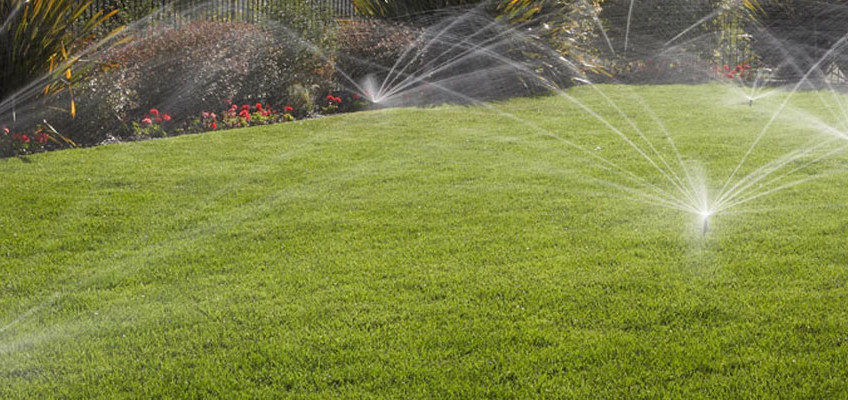
The installation of new sod is a great step toward having a lush, green lawn. But the job is not done after the grass is installed. After installing new sod, it must be watered regularly to get the sod rooted into the soil. If it is not moist enough, the grass will dry out, turn brown, or not grow correctly.
A good new sod watering plan will help preserve your investment and promote good sod growth. Knowing when and how much to water can make a difference, regardless of whether you have Bermuda, St. Augustine, or Zoysia grass.
Why Is It So Important To Water New Sod?
The new sod is shallow-rooted and hasn’t yet grown into the soil below. Requires frequent watering during establishment to remain healthy and develop a deeper root system. Too little water can cause the sod to shrink, dry out, and create gaps between sods. Too much watering, however, can cause the soil to become waterlogged, promote fungal diseases, and inhibit root growth. Sticking to a new sod watering schedule will help ensure the proper moisture level and increase your lawn’s chances of establishing well.
Your New Sod Watering Schedule: Week-by-Week Guide
The watering needs vary with root growth. Here is a simple schedule for the first few weeks.
First Week: Keep the Sod Consistently Moist
Water right after installation to ensure the sod and soil are well moistened. In the first week:
Water 2-3 times a day, depending on temperature and weather.
- Maintain moist soil, but not flooded, under the sod.
- Be extra careful around edges and corners, where they dry out more quickly.
- Do not walk on the newly seeded grass as much as possible.
The idea is to keep the sod from drying out before the roots start to penetrate the soil.
Second Week: Promote Root Growth
Roots should be established by the second week. Slowly decrease watering frequency and let water go deeper into the soil. Water once or twice a day as per weather and soil conditions. Lift a corner of the sod to see if the sod is starting to take hold in the soil.
Third Week: Water Less
In the third week, gradually increase the watering depth and decrease the frequency. Water as needed (once a day or once every other day) based on rainfall and soil moisture. This will help to promote deeper root growth rather than surface growth. Regularly inspect the lawn for signs of dehydration.
Fourth Week and Beyond: Transition to Regular Watering
After sod is well established, slowly increase the amount of watering a regular lawn requires. Well-established lawns require about 1 inch of water per week (from rain and other sources). However, requirements vary by the type of grass, soil, and weather.
Best Time to Water New Sod
Early morning, preferably between 5 a.m. and 9 a.m., is generally the best time to water your new lawn. Cooler temperatures slow down water loss and help water reach the roots. During hot weather, extra watering may be required, and an afternoon watering may help keep the sod from drying out. Do not water too often in the evening, as this can lead to fungal issues. With an automatic irrigation system, it’s much easier to follow your new sod watering schedule since water is delivered consistently at the right time.
Read More:
Must-Avoid Common New Sod Watering Mistakes
With proper watering, there are some common errors that can impact the health of your lawn.
- Excessive watering: Excessive watering can lead to root suffocation and disease.
- Underwatering: If the grass is dry and the blades are curling, it is likely that it is not getting enough water.
- Missed areas: These can become dry, while other areas get too much water.
- Neglecting weather: Rainfall, heat, and wind will all impact the frequency with which your lawn requires watering.
Professional sprinkler service can help you determine if there are any coverage issues and that water is evenly distributed throughout your irrigation system.
Key Takeaways
- Water sod right after installation.
- Water thoroughly for the first week.
- Slowly decrease watering as roots grow.
- Water early in the morning to minimize evaporation.
- Adjust irrigation according to rainfall, temperature, and soil conditions.
- Get professional sprinkler service for even water distribution.
Summary
The key to a healthy lawn is to water it correctly during establishment. Proper new sod watering routine helps the sod to establish and grow, prevents drying out and promotes long-term sod growth. Be mindful of weather and adapt irrigation schedules accordingly.
Enjoy a Greener Lawn with Double Eagle Sprinkler
A good irrigation system is crucial to protect new sod. Double Eagle Sprinkler offers sprinkler services to ensure the homeowner can enjoy a healthy lawn by watering efficiently and dependable sprinkler system performance. Call us today to keep your new lawn green, healthy, and growing.
Frequently Asked Questions (FAQs)
1. How often should you water new sod after installation?
During the first week, water new sod 2–3 times a day, depending on the weather, temperature, and soil conditions. Keep the soil beneath the sod consistently moist but not waterlogged. Gradually reduce watering frequency as the roots begin to establish.
2. How long should I water new sod each time?
Water long enough to thoroughly moisten the sod and the soil beneath it. The exact duration depends on your sprinkler system, soil type, and water pressure. Check the soil moisture by lifting a corner of the sod to ensure the water is reaching the underlying soil.
3. What is the best time of day to water new sod?
Early morning, preferably between 5 a.m. and 9 a.m., is the best time to water new sod. Cooler temperatures reduce evaporation and allow water to reach the roots effectively. Avoid frequent late-evening watering to reduce the risk of fungal diseases.
4. Can you overwater newly installed sod?
Yes. Overwatering can make the soil waterlogged, reduce oxygen availability to the roots, and encourage fungal diseases. Keep the sod moist but not soggy, and adjust your watering schedule based on rainfall and weather conditions.
5. How do I know if my new sod needs more water?
Signs of underwatering include:
- Grass blades turning brown or gray.
- Grass beginning to curl or wilt.
- Sod feeling dry or brittle.
- Edges and corners drying out.
- Sod not making proper contact with the soil.
Check the soil beneath the sod regularly to determine whether it needs more water.
6. When can I reduce watering my new sod?
You can gradually reduce watering frequency during the second and third weeks as the roots begin to establish. By the fourth week, once the sod is firmly rooted, transition toward a regular lawn watering schedule based on grass type, soil, and weather.
7. How long does it take for new sod to establish roots?
New sod typically begins developing roots within the first couple of weeks. Full establishment can take approximately 2–6 weeks, depending on the grass variety, soil conditions, temperature, and watering practices.
8. Should I water new sod when it rains?
If rainfall provides enough moisture to keep the sod and underlying soil moist, you can reduce or skip scheduled watering. Check the soil before watering to avoid overwatering.